Genuine Air Compressors Parts Supplier


Ingersoll Rand VS Sullair: Which Brand Should You Choose?
This comparison often causes confusion because both brands are widely trusted. Yet each brand fits different environments, load patterns, and long-term cost goals.
In short, Ingersoll Rand offers stronger energy efficiency and global service coverage, while Sullair delivers better durability and stability in harsh and heavy-load conditions.
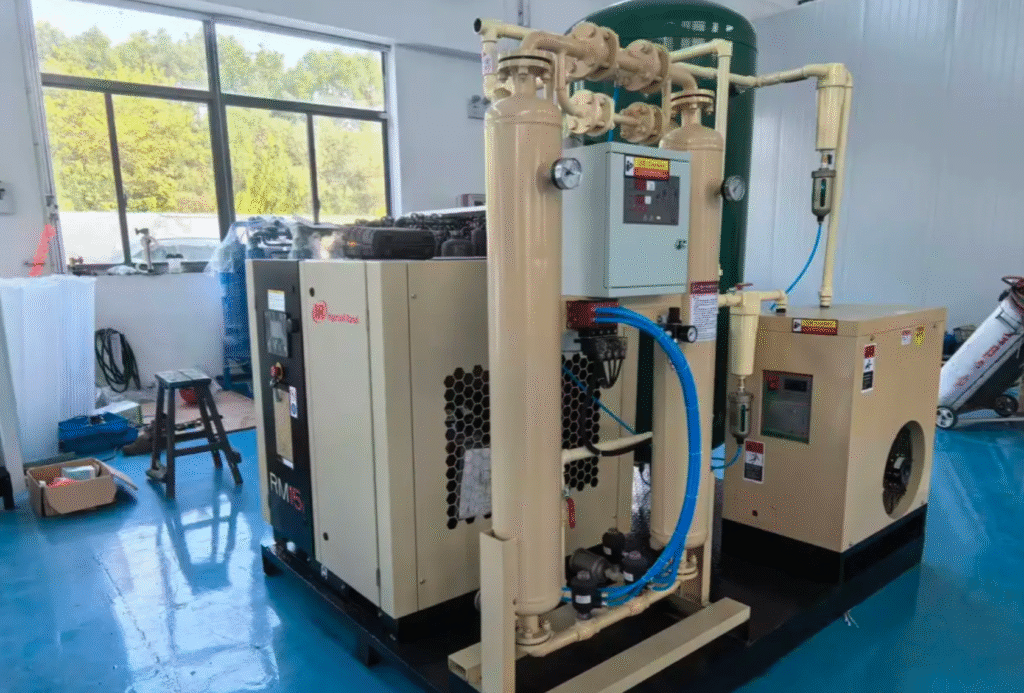
Many companies struggle when evaluating these two names. Both brands look similar on the surface, but their technical focus, background, and engineering approach are different. A clear breakdown helps buyers choose the best option for their application.
Brand and Positioning Comparison
Many factories feel unsure because both brands are popular. The differences become clear when comparing their history, engineering focus, and suitability for different industries.
Ingersoll Rand focuses on energy efficiency and broad adaptability. Sullair focuses on long-life reliability and stable output under heavy load.
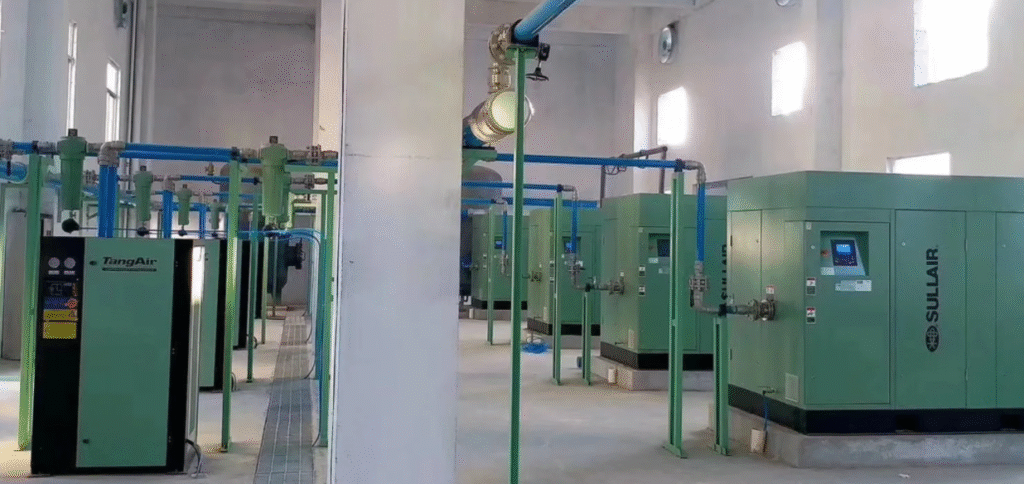
Ingersoll Rand offers more than 100 years of industrial experience and a very mature global presence. Sullair, founded in 1965 and later acquired by Hitachi, is known for long-lasting internal components, “24KT” long-life oil, and strong heavy-duty design principles.
Brand and Positioning Table:
| Dimension | Ingersoll Rand | Sullair |
|---|---|---|
| Brand History | Over 100 years of industrial expertise | Founded 1965; acquired by Hitachi in 2017 |
| Technical Features | Wide range; strong reliability; advanced digital control | “24KT” long-life oil; ternary impeller; strong oil-free expansion |
| Core Advantages | Wide adaptability; strong global service | Long host life; high stability under pressure |
These differences explain why Sullair performs well in mining and oilfields, while Ingersoll Rand is common in general manufacturing that values energy savings.
Comparison of Main Models and Technical Parameters
Basic catalog information does not show how each brand performs in real industrial environments. The difference becomes clear in energy efficiency, long-term stability, and maintenance cycles.
Ingersoll Rand leads in energy-saving technology. Sullair leads in durability and long service life under tough conditions.

Different industries demand different compressor behavior. High-temperature plants, dusty zones, and high-altitude regions require machines with specific strengths, which influence the final selection.
Model Comparison Table:
| Category | Ingersoll Rand | Sullair | Core Difference |
|---|---|---|---|
| Oil-Free Screw | R series / E series | DS / DSP series | IR suits clean-air industries; Sullair suits heavy-load oil-free use |
| Oil-Flooded Screw | RM / RS series | LS series / 26 series | IR saves 15–20% energy; Sullair runs up to 60,000 hours before overhaul |
| Mobile Compressors | VSD mobile units | Two-stage mobile units | IR fits low-noise city sites; Sullair fits plateaus and deserts |
| Control System | Intelligent linkage control | VS-16 VSD system | IR focuses on optimization; Sullair focuses on stability |
Suitable for Regional and Industry Recommendations
Climate, altitude, and service network support play a major role in long-term reliability. These factors should not be ignored.
Ingersoll Rand works best in regions with strict energy regulations. Sullair works best in hot, dusty, or remote high-altitude environments.

Regional Recommendations:
| Region | Recommended Brand | Reason |
|---|---|---|
| North America | Both (IR for general / Sullair for mining) | Strong IR network; Sullair handles harsh sites |
| Middle East & Africa | Sullair | Heat and dust resistance |
| Europe | Ingersoll Rand | Energy regulation compliance |
| Southeast Asia & Latin America | Ingersoll Rand | Simple maintenance |
Industry Recommendations:
| Industry | Recommended Brand | Reason |
|---|---|---|
| Automotive, general machinery | Ingersoll Rand | Faster repair and modular design |
| Oil drilling, mining | Sullair | High MTBF under extreme load |
| Food & beverage (oil-free) | Prefer Atlas Copco | Stronger certification |
| Cement, steel | Sullair | Better performance in hot and dusty conditions |
| Electronics | Ingersoll Rand | Strong soundproof system |
Conclusion
Both brands are strong, but the best choice depends on environment, load behavior, operating conditions, and air quality requirements.